
Let’s be real for a moment. As someone who’s spent over 15 years in the architectural ironwork industry, I’ve heard this phrase more times than I can count: “I want a beautiful metal side gate, but I just can’t justify spending a fortune.” I get it. A gate is an investment, and not everyone has an unlimited budget.
Here’s the good news I always share with my clients: You absolutely can find a cheap metal garden side gate that doesn’t fall apart after the first winter. The trick isn’t about finding the cheapest price tag. It’s about understanding where the value comes from so you can pay for what matters and skip what doesn’t.
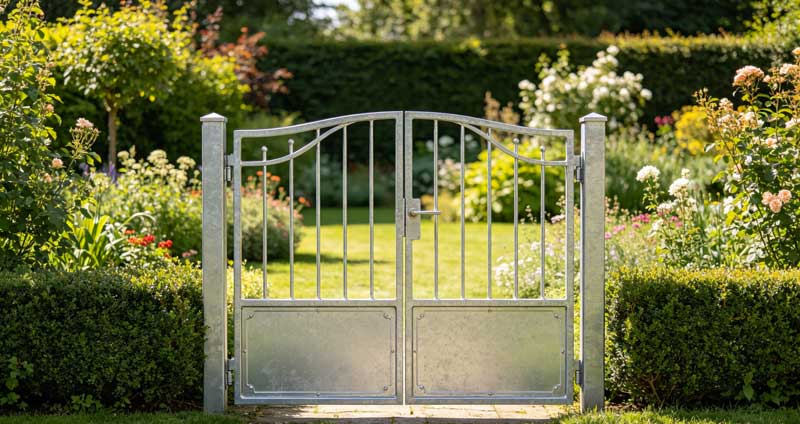
I’ve seen too many homeowners get burned buying flimsy gates online. Let’s make sure you’re not one of them.
Why “Cheap” Doesn’t Have to Mean “Rubbish”
There’s a big difference between a low-quality gate and an affordable one. The low-quality gate is made from thin, poorly welded steel that will sag within a year and start rusting the minute it rains. The affordable one? It uses smarter materials, simpler designs, and clever manufacturing processes to hit a lower price point while still doing its job.
Metal gates—whether steel, aluminum, or wrought iron—are naturally more durable than wood. Wood warps, rots, and becomes a feast for insects. Metal, if treated right, will outlast most other materials you put in your garden.
The real cost isn’t the price tag; it’s the cost per year of service. A £100 gate that lasts 2 years is twice as expensive as a £200 gate that lasts 10 years.
How Manufacturers Cut Costs Without Cutting Corners
To find real value, you need to know where savings come from. As an expert, here’s what I look for:
Material Matters: The Steel vs. Aluminum Sweet Spot
Solid wrought iron is gorgeous but expensive and heavy. For a side gate on a budget, galvanized steel or aluminum are your best friends.
Galvanized Steel: This is steel dipped in zinc. It’s tough as nails and resists rust. Many affordable gates are electro-galvanized and then powder-coated black for a clean finish. Just remember: if the coating gets chipped during installation, you must touch it up immediately. A little pot of Hammerite paint is a life-saver.
Aluminum: Lighter than steel and naturally rust-proof. Aluminum gates are easier to install yourself (saving you labor costs) and require practically zero maintenance. You’ll see a lot of modern, slatted designs in aluminum. It’s not as heavy-duty as steel for high-security applications, but for a typical garden side entrance, it’s perfect.
My pro tip: Skip the heavy ornamental cast iron unless you’re restoring a Victorian manor. A simple tubular steel or flat-bar aluminum design looks sharp, costs much less, and is far easier for you to manage long-term.
Design Simplicity = More Money in Your Pocket
Every scroll, swirl, or finial adds cost. That intricate metalwork requires skilled labor or complex machinery. For a truly budget-friendly gate without quality compromise, choose a minimalist design.
Think clean vertical bars, simple horizontal rails, or a classic ranch-style layout. These designs use less material, require fewer welds, and look timeless. You can always add personality with the paint color rather than expensive metalwork.
Off-the-Shelf vs. Bespoke
Custom “made-to-measure” gates are wonderful because they fit perfectly. But they come at a premium. If you have a standard opening—say, around 3 feet wide—an off-the-shelf gate will save you a huge chunk of money.
Always measure the gap between your posts or walls accurately. Most manufacturers list the gate size for the opening width, not the actual gate width, as they account for hinges and latches. If your gap is slightly too wide, I often tell clients to fix a treated timber post to one side to close the gap rather than paying for a custom width.
Finish: Powder Coating is the Standard
A quality budget gate should still have a proper finish. Look for powder-coated options. This is a dry powder baked onto the metal, and it’s much tougher than wet paint. A polyester powder coat in black or anthracite grey is standard, looks professional, and protects against British weather. Avoid bare, untreated steel unless you enjoy sanding and painting every summer.
Beware of These Budget-Buying Traps
After years in this trade, I can spot a lemon a mile away. Here are red flags:
- Thin Wall Thickness: Give the gate a wobble. Does it feel sturdy or flimsy? Frame sections should be at least 20mm x 6mm solid bar; infill bars should be around 10mm diameter minimum.
- Non-Existent Warranty: If a company offers no warranty at all, walk away. Even affordable gates should come with some guarantee against manufacturing defects.
- Poor Welds: Look at the joints. They should be smooth, not lumpy or cracked. Bad welds are the first point of failure.
- Fittings Not Included: Some cheap gates come bare—no hinges, no latch. Adding decent galvanized hardware can cost £20-£40 extra. Factor that in before celebrating a “bargain.”
Is a cheap metal gate actually going to rust?
It might, eventually, if you neglect it. Even the best galvanized and powder-coated gates need a bit of love. Look for an “electro-galvanized and powder-coated” specification. If the coating gets scratched down to bare metal, treat it with a rust-inhibiting paint touch-up pen right away. Regular cleaning with soapy water and a quick annual inspection of the hinges and latch will keep it going for decades.
Aluminum vs. Steel: which is the better budget choice?
For long-term value and minimal fuss, I lean toward aluminum. It’s lighter, completely rust-free, and easier for one person to install. For a more traditional heavy-duty feel or if security is a top concern, galvanized steel is the winner. Both can be great budget options; it just depends on your priority—ease or brute strength.
What size gate do I need for a standard side passage?
Standard openings are typically 3 feet (around 915mm) wide. Always check the manufacturer’s sizing guide: they’ll tell you if the listed size is the actual gate width or the opening size it fits. If in doubt, buy a gate slightly smaller than your opening and use adjustable hinges.