
For generations, farmers and ranchers have trusted one fencing solution above many others to contain livestock, mark boundaries, and protect their land: barbed wire. When it comes to reliable and cost-effective farm enclosure, barbed wire for farm fencing remains an indispensable tool in agricultural management.
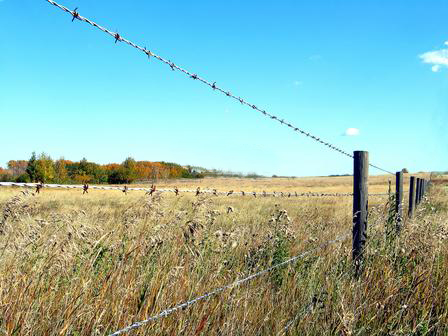
This comprehensive guide will walk you through everything you need to know about using barbed wire on your farm. From its history and benefits to the different types available, installation best practices, and critical safety tips, this article will help you make the best choice for your agricultural needs.
What is Barbed Wire?
Barbed wire is a type of steel fencing wire constructed with sharp edges or points (barbs) arranged at intervals along the strands. It is typically made from galvanized steel for weather resistance and durability. The barbs serve as a physical deterrent, discouraging both animals and people from crossing the fence line. It is one of the most widely used fencing materials in the world for agricultural purposes.
Why Choose Barbed Wire for Farm Fencing?
Selecting the right fence is a critical decision for any farm operation. Here’s why barbed wire for farm fencing is often the preferred choice:
| Advantage | Why It Matters for Your Farm |
|---|---|
| Exceptional Livestock Containment | When properly constructed, a barbed wire fence is highly effective at containing cattle, horses, and other large livestock, preventing them from wandering off. |
| Cost-Effective Solution | Compared to wood, vinyl, or electric fencing, barbed wire offers a very low material cost, especially for fencing large properties. |
| Durability and Longevity | Made from galvanized steel, high-quality barbed wire can withstand harsh weather, sun exposure, and animal pressure for decades with minimal maintenance. |
| Effective Deterrent | The sharp barbs act as a strong psychological and physical barrier, deterring both animals and potential intruders. |
| Versatility | It can be used for permanent perimeter fencing, cross-fencing to divide pastures, or even as a top strand on other fence types for added security. |
| Low Maintenance | Once installed, barbed wire requires very little upkeep. A periodic check for breaks or sagging is usually all that’s needed. |
Key Types of Barbed Wire for Agricultural Use
Not all barbed wire is the same. Choosing the right type depends on your specific livestock and farm conditions.
- By Material and Coating:
- Galvanized Barbed Wire: The industry standard. It is coated with zinc to prevent rust, offering excellent durability for most farm environments. It is the most common and cost-effective choice.
- Stainless Steel Barbed Wire: Offers superior corrosion resistance, making it ideal for coastal farms or areas with high humidity and corrosive conditions. It comes with a higher price tag but offers exceptional longevity.
- PVC Coated Barbed Wire: This wire has a galvanized core and an additional layer of PVC. It provides extra protection against the elements and is available in colors like green to blend in with the landscape, though it’s less common for purely functional farm fencing.
- By Barb Design and Strand Count:
- 2-Point Barbed Wire: The most common type, featuring two barbs per interval. It is sufficient for most livestock containment.
- 4-Point Barbed Wire: Features four barbs per interval, offering a higher level of security. It is often used for high-security perimeters or for containing more aggressive animals.
- Single Strand vs. Double Strand: Most barbed wire consists of two line wires twisted together (double strand) with the barbs held between them. This provides strength and flexibility. Single strand options are less common for permanent farm fencing.
- By Wire Gauge:
The thickness of the wire is measured in gauge. A lower gauge number indicates thicker, stronger wire.- 12.5 Gauge / 14 Gauge: Heavier, more robust wire ideal for main perimeter fences and containing large, strong animals like bulls.
- 15.5 Gauge / 16 Gauge: Lighter wire, often used for interior cross-fencing or for animals that put less pressure on the fence.
Step-by-Step Guide to Installing Barbed Wire for Farm Fencing
Proper installation is crucial for a safe, effective, and long-lasting fence.
Step 1: Planning and Layout
- Walk your property line and decide on the fence’s path.
- Mark the locations for corner posts, line posts, and gates.
- Corner posts must be exceptionally strong, as they bear the tension of the wire.
Step 2: Setting the Posts
- Set your corner and gate posts first. Dig deep holes (at least 2-3 feet, depending on frost line and fence height) and set them in concrete for maximum stability.
- Install line posts at consistent intervals (typically 10-16 feet apart) between the corners.
Step 3: Installing the Wire
- Start at a corner post. Unroll the barbed wire along the fence line, using a wire dispenser or by rolling it out carefully to avoid kinks.
- Securely attach the wire to the corner post using fence staples or wrap it around the post and tie it off with wire. Use a come-along or fence stretcher to apply the correct tension. The wire should be taut but not over-stressed.
- Attach the wire to line posts using fence staples. Do not drive the staples all the way in; leave a little space to allow the wire to expand and contract with temperature changes.
- Secure the wire at the opposite corner post with the same high tension.
Step 4: Spacing the Wires
- For cattle, a typical fence might have 4 to 5 strands. The bottom wire should be high enough to prevent calves from crawling under (often 16-18 inches), with the top wire at about 48-54 inches. Spacing between wires is usually 10-12 inches.
Safety Tips for Barbed Wire Fencing
Working with barbed wire requires caution. The barbs are sharp and can cause injury.
- Wear Protective Gear: Always wear heavy-duty leather gloves, long sleeves, and safety glasses when handling and installing barbed wire.
- Use Proper Tools: Use a fence stretcher to handle tension, never pull the wire with your body.
- Be Aware of Tension: A snapped wire under tension can whip back dangerously. Stand clear and ensure others are at a safe distance.
- Mark the Fence: Ensure the fence is highly visible to prevent accidental contact by people or wildlife. Flagging tape on the top wire can help.
Maintaining Your Barbed Wire Fence
A well-maintained barbed wire fence will last for many years. Regular checks should include:
- Inspecting for Damage: Walk the fence line periodically, especially after storms, to check for broken wires, loose posts, or sagging sections.
- Retensioning: Over time, wire can stretch or posts may shift. Re-tension wires as needed to keep the fence effective.
- Vegetation Control: Keep weeds and brush away from the fence line to prevent moisture buildup, which can lead to rust, and to ensure the fence remains visible.
Why Choose Our Barbed Wire for Your Farm?
As a dedicated manufacturer and supplier of high-quality fencing solutions, we understand the unique needs of farmers. Our barbed wire is:
- Made from Premium Materials: We use high-tensile steel and a heavy-duty galvanized coating for maximum strength and rust resistance.
- Consistently Reliable: Our manufacturing process ensures uniform barbs and consistent wire gauge.
- Available in Various Specifications: We offer a full range of gauges, barb configurations, and roll lengths to suit any farm project.
- Competitively Priced: We provide durable, long-lasting barbed wire at a fair price, ensuring the best value for your investment.
Get a Quote for Your Farm Fencing Project
Ready to secure your land and livestock with reliable barbed wire for farm fencing? Contact us today to discuss your project requirements. Tell us about the area you need to fence, the type of livestock you have, and your preferred specifications. We’ll provide you with a competitive quote and expert advice.